• Ryan Clemons

    Dating in college is complicated. Dating at SMU, where it can sometimes feel like everyone knows everyone, adds an entirely different layer. You can meet someone on a Friday night, see them on the Boulevard Saturday, pass them walking to Cox Monday, and realize by Tuesday that you have approximately six mutual friends. And not in a good way.

    After four years at SMU, I have learned that navigating the dating scene is less about having all the answers and more about understanding the environment you are in. Whether you are looking for a relationship, casually dating, or simply trying to figure out what exactly “talking” means, there are a few unwritten rules that can make dating at SMU a little easier.
    Rule #1: Remember That SMU Is Smaller Than You Think

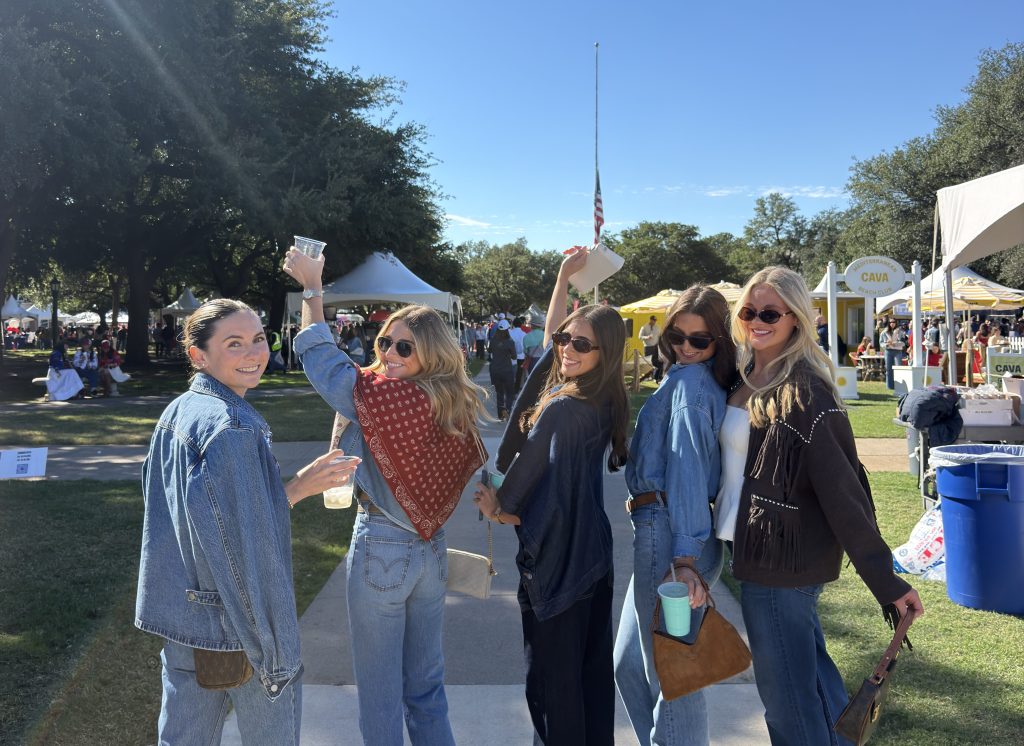
    SMU may be located in the middle of a huge city, but the campus social scene can feel surprisingly small. There is a good chance the person you are interested in knows someone you know, belongs to the same organization as one of your friends, or will eventually appear at the same social event. Or worse… has met one of your sorority sisters.

    That does not mean you should avoid dating on campus. It just means treating people respectfully matters. Ghosting someone or creating unnecessary drama feels a lot more awkward when there is a very real possibility you will see that person again next weekend.

    My biggest advice? Never assume you are saying goodbye forever. At SMU, you probably aren’t… speaking from experience.

    Talk to the Person, Not Your Mutual Friends

    When everyone is connected, it becomes very easy to communicate through other people.

    Your roommate heard from her friend whose boyfriend knows his roommate that he said something about you. Suddenly, you are trying to interpret a message that has traveled through four people instead of simply asking the person you are dating.

    Campus gossip can be entertaining, same with Fizz, but it is not a replacement for communication. If you want to know where you stand with someone, ask them. It might be uncomfortable for five minutes, but that is usually better than spending five days analyzing what their friend supposedly said. Spend that energy on that 11:59 Canvas deadline.

    Know What You Are Actually Looking For

    College dating has developed its own vocabulary: talking, hanging out (hooking up), seeing each other, situationship, exclusive, and actually dating.

    The problem is that two people can use the same word and mean completely different things.

    You do not need to define the relationship after one date, but once you start consistently spending time together, communication matters. Do not automatically assume that the other person has the same expectations you do, things will get messy fast.

    Knowing what you want also makes dating much easier. You cannot expect someone else to understand your expectations if you have never figured them out yourself.

    Get Outside the SMU Bubble

    One of the biggest advantages of dating at SMU is that you have all of Dallas around you. Take advantage of it.

    Not every interaction needs to happen at a frat party, on the Boulevard, or at a formal. Grab coffee, walk the Katy Trail, try a restaurant neither of you have been to, or explore a different part of Dallas. Just maybe avoid Deep Ellum…

    Actually going on dates gives you the opportunity to get to know someone outside of the social environment where you originally met them. It also makes dating significantly more fun.

    Don’t Let Dating Become Your Entire College Experience

    It is easy to get excited when you start seeing someone, especially when everything feels new. But your relationship or situationship should be one part of your college experience, not the entire thing. Because let’s be real, your future husband is probably not downing beers at Barley or solely communicating with you by sending face pics on Snapchat.

    Go to the Boulevard with your friends. Attend your organization’s events. Say yes to the random dinner. Take the internship. Keep doing the things that made your life exciting before you met someone.

    SMU offers countless ways to get involved and meet people through its student organizations and campus involvement opportunities. Those experiences and friendships will probably end up being some of your favorite memories from college.

    Learn How to Handle the Awkward Run-In

    Eventually, you are probably going to have one.

    Maybe the date was terrible. Maybe someone ghosted. Maybe a situationship ended badly. Regardless, you still attend the same school.

    My advice is simple: be normal.

    You do not need to hide across the room or dramatically pretend you have never met. Smile, say hi if appropriate, and continue with your day. Learning how to handle uncomfortable situations gracefully might actually be one of the more useful things college dating teaches you.

    However, if you are wanting some motivation to act this way for different reasons, being nonchalant is always more memorable (and hot)!

    Remember That It Is Supposed to Be Fun

    Not every person you date at SMU is going to become your future spouse, and that is okay. Dating in college is also about learning what you value, how you communicate, what you will tolerate, and what you absolutely will not. You would rather experience that gut-wrenching moment when your situationship ghosts you now and not 10 years into marriage with 3 kids, 2 dogs, and a goldfish.

    The SMU dating scene can be messy, interconnected, and occasionally awkward, but it can also be fun. Communicate directly, maintain your friendships, explore Dallas, and try not to take every awkward interaction too seriously. This is college after all!

    And if things end badly, remember: you can survive seeing them on the Boulevard next Saturday.
  • Ryan Clemons

    There is a very specific experience that comes with being a Taylor Swift fan. A new Instagram post can immediately become a theory. A random number can somehow turn into an album announcement. A friendship bracelet can become a requirement for attending a concert. And hearing the words “Taylor’s Version” is enough to make millions of people stream an album they already know every word to.

    From the outside, it might seem dramatic. But that is exactly what makes Taylor Swift’s career so fascinating.

    Taylor Swift has done something very few performers have been able to do. She has turned her music into a community, her fans into participants and her career decisions into conversations that extend far beyond the music industry. Her influence can be measured in streams and ticket sales, but those numbers only tell part of the story.

    Influence is the ability to change how people think, spend, communicate and behave. By that definition, Swift has become one of the most influential performers of our generation.

    She Made Owning Your Work Part of the Conversation

    For most music fans, the phrase “master recordings” probably was not part of their everyday vocabulary before Taylor Swift.

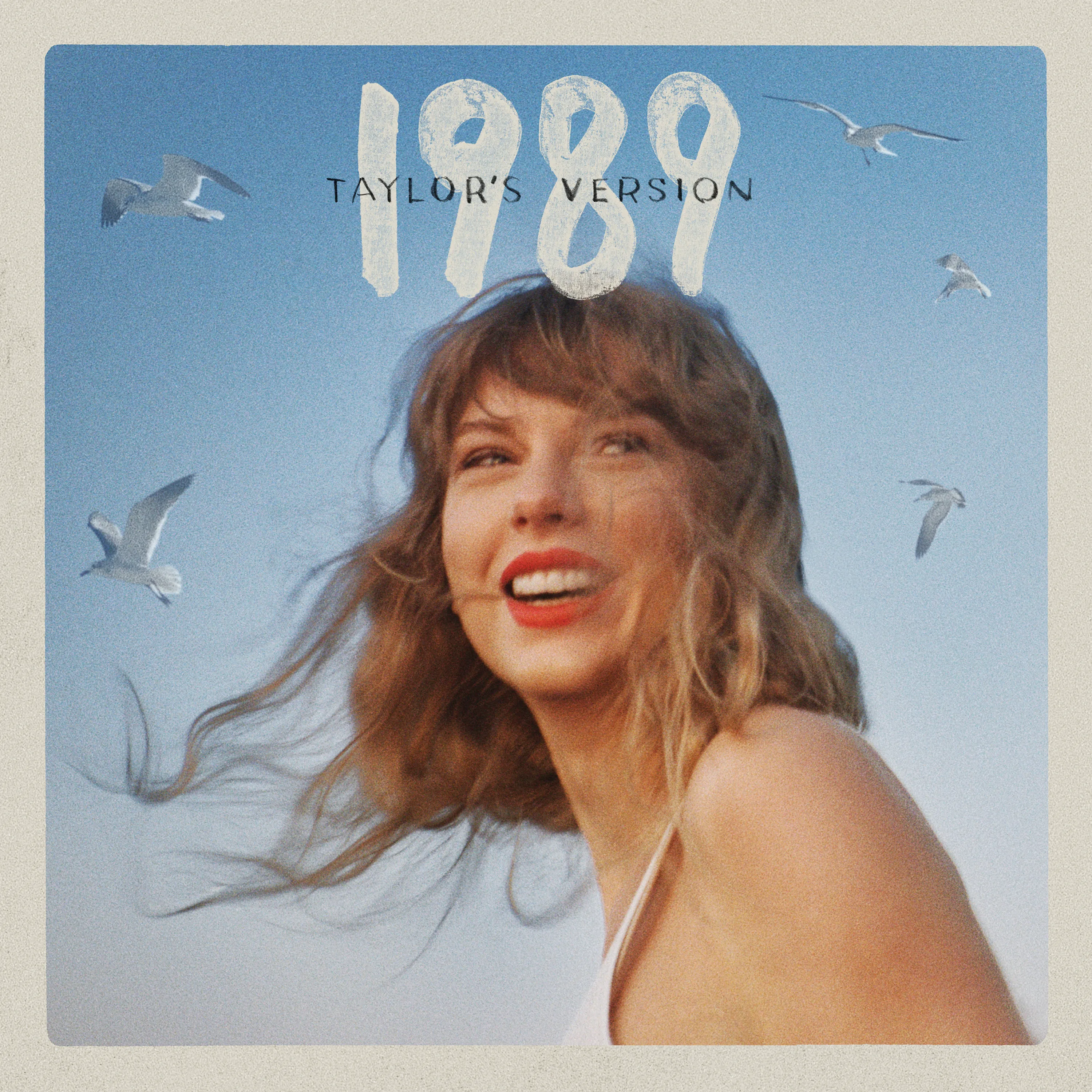
    That changed when the ownership of the masters from her first six albums became the center of a very public dispute. Rather than simply accepting the situation, Swift decided to rerecord her music and release the albums as “Taylor’s Version.”

    The decision could have easily confused casual listeners. Instead, fans understood the assignment.

    Millions intentionally streamed and purchased the new versions, helping songs that had already been released years earlier become major cultural moments all over again. Harvard Law School examined Swift’s rerecording project and how it changed conversations surrounding copyright and ownership in the music industry.

    Swift eventually purchased the masters to her first six albums in 2025, bringing the story full circle. But the impact had already been made. She took a complicated business issue and made millions of young people understand the value of owning their work.

    For a generation building careers, businesses and personal brands online, that message feels especially relevant.

    The Eras Tour Was Bigger Than a Concert

    Anyone who experienced the Eras Tour knows that the concert started long before Taylor walked onstage.

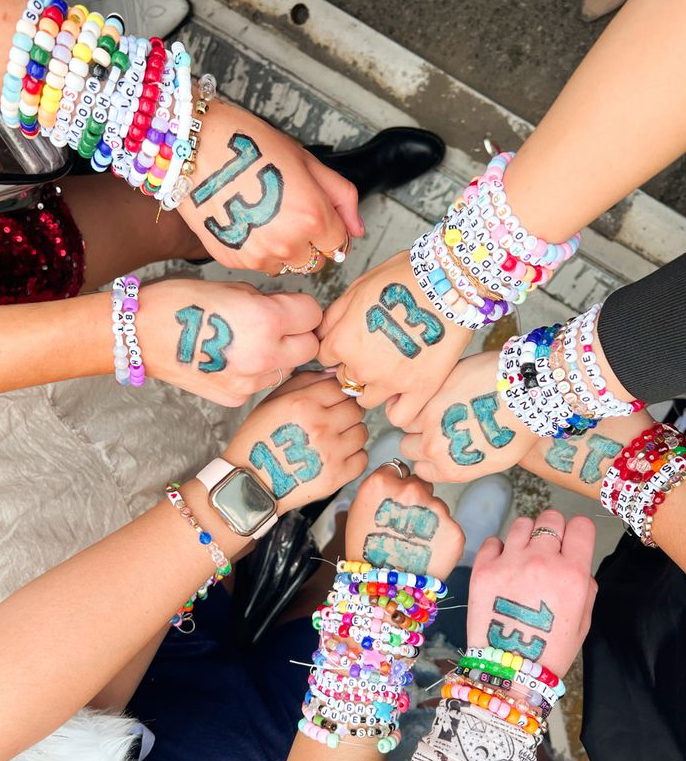
    Fans planned outfits months in advance. Friendship bracelets covered entire arms. Cities prepared for thousands of visitors, and social media feeds became filled with surprise songs, concert clips and outfit inspiration.

    Then there are the numbers.

    According to Pollstar’s final Eras Tour report, the Eras Tour grossed approximately $2.2 billion from more than 10 million tickets, making it the highest grossing tour of all time when it ended in 2024.

    But the most interesting part is not simply how much money Swift made. It is how much activity happened around her.

    Fans traveled, booked hotels, went to restaurants, bought outfits, made bracelets and turned each tour stop into its own event. Swift demonstrated that a strong fan community can have influence far beyond the product it originally formed around.

    Being a Swiftie Means Being Part of the Story

    Taylor Swift has never treated her audience like people who simply listen to an album and move on.

    There are Easter eggs to decode, surprise songs to predict, vault tracks to discover and album eras with completely different aesthetics. Fans are constantly given a reason to pay attention.

    That relationship is one of Swift’s greatest strengths as a marketer. She has created a brand that rewards participation.

    When TIME named Swift its 2023 Person of the Year, it recognized a level of cultural influence that had grown far beyond music.

    For many fans now in their 20s and 30s, that influence also feels personal. They did not discover Taylor Swift yesterday. They grew up with her.

    The teenager listening to “Love Story” in 2008 might have been the young professional flying across the country for the Eras Tour 15 years later. As Swift entered new eras of her career, her audience entered new eras of their own.

    That type of loyalty cannot simply be purchased through an advertising campaign.

    You Don’t Have to Like Her Music to Recognize Her Influence

    Calling Taylor Swift influential does not require believing she is the greatest singer, songwriter or performer who has ever lived. Those debates are subjective.

    Influence is different.

    It can be seen in the artists thinking differently about ownership, the brands studying fan communities, the cities preparing for concert weekends and the millions of people willing to revisit an album because two words were added to its title.

    Swifties certainly helped make Taylor Swift powerful. But what she has done with that power is what makes her influential.

    She did not simply figure out how to succeed within the music industry. She built enough influence to make the music industry, and the world around it, respond to her.

  • Between class presentations, resumes, internship applications, student organizations and the occasional Instagram graphic you somehow volunteered to make, college students create a lot more visual content than they may realize. And while there are plenty of design platforms out there, Canva has become one of my go to resources because it makes creating something professional looking surprisingly simple.

    For SMU students who already know and use Canva Free, though, there is a bigger question: Is Canva Pro actually worth paying for? Before you add another subscription to your monthly expenses, here is what you should know.

    What exactly is Canva Pro?

    Canva Pro is the paid version of Canva, an online design platform where you can create everything from presentations and resumes to social media posts, flyers, videos and documents.

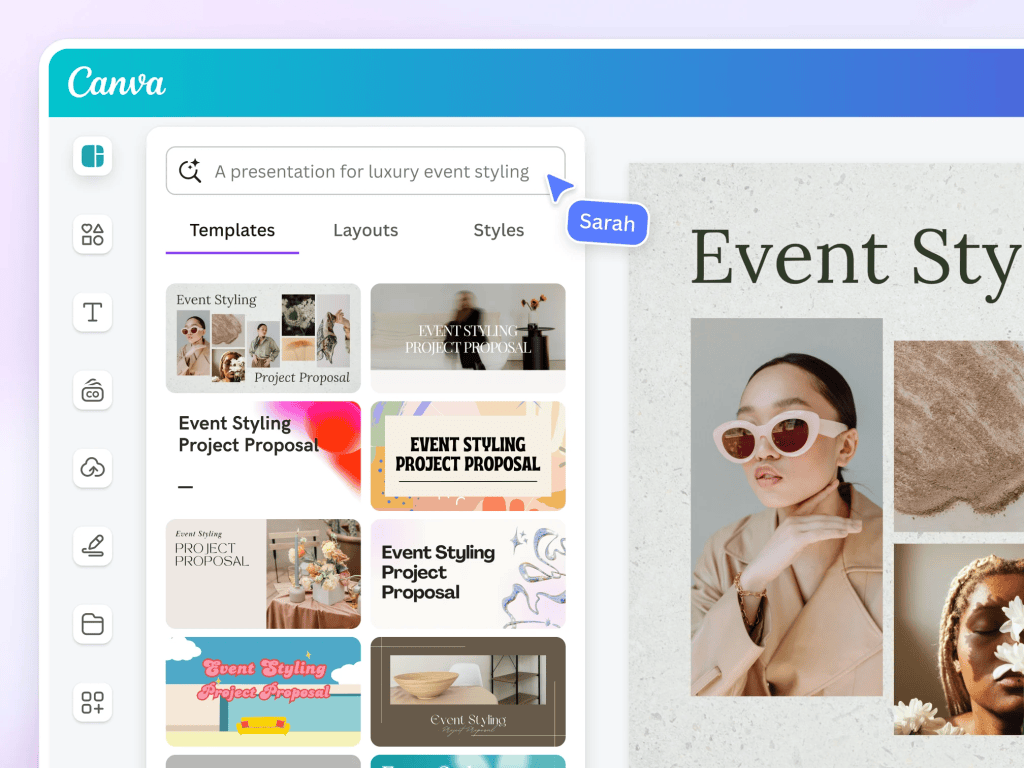
    The biggest difference between Free and Pro is access. According to Canva’s comparison of its Free and Pro plans, Pro unlocks a much larger collection of premium templates, photos, videos, graphics and audio, along with additional editing and AI powered tools.

    For an SMU student, that basically means fewer moments spent staring at a blank PowerPoint slide at 11 p.m. wondering how you are supposed to make a presentation look good by your 9:30 a.m. class.

    What would I actually use Canva Pro for at SMU?

    Probably more than you think.

    For classes, Canva can be used to create presentations, infographics, group projects, and other visual assignments. Outside the classroom, it becomes even more useful. Student organizations can create recruitment materials, event flyers and social media posts, while students preparing for internships and jobs can design resumes, portfolios, and other professional materials.

    Canva even highlights projects, collaboration, extracurricular activities, and job applications in its resources for college students.

    As a PR and CCPA student, I use Canva constantly between classes, internships, and student organizations. When I need to make something quickly, I would much rather start with a polished template than spend an hour figuring out how to make three text boxes line up perfectly.

    How much does Canva Pro cost?

    Here comes the part every college student actually cares about… the price.

    Canva currently lists its individual Pro plan at $180 per year when billed annually, although pricing and plans can change. Before paying for a subscription, check Canva’s current pricing and whether you have access to premium features through your university.

    College students do not automatically qualify for Canva Education, which is primarily designed for K-12 education. However, some universities participate in Canva for Campus and provide students with access to premium features.

    In other words, check what you already have access to before handing over your credit card. Your bank account will appreciate it.

    What am I actually getting with Pro?

    Canva Free is already a useful platform, so you definitely do not need Pro to make a good presentation. The difference becomes more noticeable when you use Canva frequently.

    Pro gives users access to a larger premium content library, Background Remover, Magic Resize, additional AI tools, Brand Kits and more cloud storage.

    Magic Resize is one of those features that does not sound life-changing until you are making graphics for an organization. Instead of recreating the same event announcement for an Instagram post, Story and other formats, you can resize one design for multiple platforms. It is a small feature that can save a surprising amount of time.

    And yes, you also stop finding the perfect template only to realize it has the tiny Pro crown on it.

    Do I need to know anything about graphic design?

    Not really, which is part of Canva’s appeal.

    The platform uses a drag and drop editor, and its templates give you a starting point rather than an intimidating blank page. You can swap out fonts, colors, photos and layouts without needing to understand professional design software.

    That being said, Canva cannot save every design decision. Just because you can use six fonts on one flyer does not mean you should. You still need to think about readability, organization and what information actually matters.

    Canva simply makes the design process much more approachable for people who are not trained graphic designers.

    What does an actual SMU student think?

    I wanted an opinion beyond my own, so I asked Mia Miranda, a SMU honors student and President of Pi Beta Phi, about their experience using Canva Pro.

    “It’s really helpful when making creative craft book type pages. I use it frequently for the background remover feature”

    Their experience points to what I think is Canva Pro’s biggest benefit for college students: convenience. Between classes, internships, organizations and everything else happening during the week, saving even a little time on a project can make a difference.

    So, is Canva Pro actually worth it?

    My answer: it depends on how much you use it.

    If you open Canva twice a semester to make a class presentation, stick with Free. You probably will not get enough value out of a paid subscription.

    But if Canva is permanently open in one of your browser tabs because you are constantly making presentations, social content, resumes, event graphics or internship materials, Pro starts making much more sense. I especially think it can be valuable for students in PR, advertising, marketing, and communications because visual content is such a regular part of both school and professional work.

    My advice is to start with Canva Free and see how often you use it. If you constantly find yourself clicking on premium templates, needing Pro features or using Canva several times a week, upgrading may be worth it.

    After all, Canva Pro cannot make your group project members answer their texts, but it can at least make the final presentation look good.